
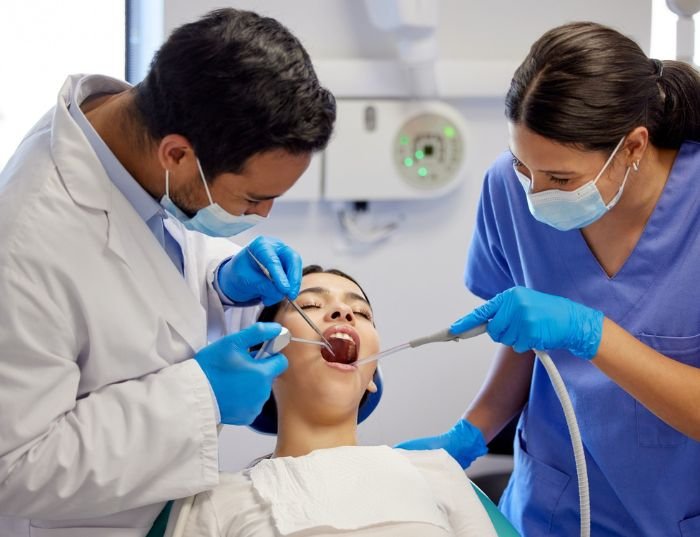
Dental implants are a popular solution for missing teeth, offering a permanent replacement that looks and functions like natural teeth. While tooth implants have high success rates, it's important to understand potential side effects before undergoing the procedure. At Dr Jains Dental, we believe in educating our patients about both the benefits and possible complications of dental implants so they can make informed decisions.
What Are Dental Implants?
Dental implants are metal posts, usually made from titanium, that are surgically placed into your jawbone. These posts act as artificial tooth roots, providing a stable foundation for replacement teeth. The implant fuses with your jawbone through a natural process, creating a strong and lasting solution for missing teeth.
Common Teeth Implant Side Effects
1. Pain and Swelling
After dental implant surgery, some discomfort is normal. Most patients experience mild to moderate pain for the first few days, which can be managed with prescribed medications. Swelling around the implant area typically appears within 24-48 hours and gradually reduces over the following week. Ice packs can help minimize swelling during the initial recovery period.
2. Infection
Infection is one of the more serious tooth implant side effects, though it occurs in only a small percentage of cases. Signs of infection include severe pain, unusual discharge, persistent swelling, and fever. Patients with diabetes, those who smoke, or individuals with weakened immune systems face higher infection risks. Good oral hygiene and following your dentist's post-surgery instructions can significantly reduce infection chances.
3. Nerve Damage
In rare cases, the implant may be placed too close to a nerve, causing numbness or tingling in the gums, lips, tongue, or chin. This teeth implant side effect usually resolves on its own within a few weeks, but in some cases, the numbness may persist longer. Choosing an experienced dental surgeon reduces the risk of nerve-related complications.
4. Implant Failure
Sometimes the implant may not fuse properly with the jawbone, leading to looseness or movement. This can happen due to insufficient bone density, poor oral hygiene, smoking, or certain medical conditions. If you notice your implant feels loose or shifts when you chew, contact your dentist immediately.
5. Sinus Problems
For implants placed in the upper jaw, there's a small risk of the implant protruding into the sinus cavity. This can cause sinus pain, headaches, or sinusitis. Your dentist will take detailed scans before surgery to plan the implant placement carefully and avoid this complication.
6. Gum Recession
Some patients experience gum tissue pulling away from the implant, exposing part of the metal post. This may occur if the implant wasn't positioned correctly or if there's inadequate gum tissue. Gum recession can affect both the appearance and long-term health of the implant.
7. Allergic Reactions
Though rare, some individuals may develop allergic reactions to titanium or other materials used in the implant. Symptoms include swelling around the implant site, skin rashes, or changes in taste. If you have known metal allergies, discuss alternative materials with your dentist before the procedure.
Factors That Affect Recovery
Several factors influence how quickly you recover and whether you experience teeth implant side effects:
- Overall Health: Conditions like diabetes or osteoporosis can slow healing
- Smoking: Increases infection risk and delays bone integration
- Oral Hygiene: Poor dental care raises complication risks
- Bone Quality: Adequate bone density is essential for implant success
- Age: While there's no upper age limit, younger patients typically heal faster
Recovery Timeline
Recovery from dental implants happens in stages. The first three days after surgery are usually the most uncomfortable, with pain and swelling gradually improving. Most people return to normal activities within a week, though the complete healing process takes several months as the implant fuses with the bone.
During the first week, stick to soft foods like yogurt, smoothies, soups, and mashed potatoes. Avoid hot beverages, crunchy foods, and anything that requires excessive chewing. After the initial healing period, you can gradually return to your regular diet.
Minimizing Side Effects
At Dr Jains Dental, we recommend several steps to reduce tooth implant side effects:
- Follow all post-operative care instructions carefully
- Take prescribed medications as directed
- Maintain gentle but thorough oral hygiene
- Avoid smoking before and after surgery
- Attend all follow-up appointments
- Eat soft foods during the initial healing period
- Use ice packs to manage swelling
- Rest adequately to support healing
When to Contact Your Dentist
While mild discomfort is expected, certain symptoms require immediate attention:
- Severe pain that doesn't improve with medication
- Heavy bleeding that continues beyond 24 hours
- Signs of infection like fever, pus, or foul odor
- Implant feels loose or moves
- Persistent numbness lasting more than a few weeks
- Difficulty breathing or swallowing
Long-Term Success
Despite potential teeth implant side effects, dental implants have success rates exceeding 95%. With proper care, including regular dental check-ups and good oral hygiene, implants can last for decades. Most complications occur in the early stages and can be successfully treated when detected early.
Frequently Asked Questions
1. How long do tooth implant side effects last?
Most side effects like pain and swelling typically last 3-7 days after surgery. Minor discomfort may continue for up to two weeks but gradually improves. Complete healing takes 3-6 months as the implant fuses with your jawbone. If symptoms persist beyond two weeks or worsen, contact your dentist immediately.
2. Are dental implants painful after the procedure?
Some discomfort is normal after dental implant surgery, but it's usually manageable with prescribed pain medication. Most patients describe the pain as similar to or less than tooth extraction. The first 2-3 days are typically the most uncomfortable, after which pain steadily decreases. If you experience severe or worsening pain, it could indicate complications.
3. What are the signs of dental implant infection?
Key signs include persistent pain that doesn't improve, swelling that worsens after the first week, pus or discharge around the implant, foul taste or odor in your mouth, fever, and redness around the surgical site. If you notice any of these symptoms, contact Dr Jains Dental immediately for evaluation and treatment.
4. Can teeth implant side effects be permanent?
Most side effects are temporary and resolve during the healing process. However, in rare cases, complications like nerve damage may persist longer. Implant failure occurs in less than 5% of cases and may require removal and replacement. Choosing an experienced dental surgeon and following aftercare instructions significantly reduces the risk of permanent complications.
5. Who is at higher risk for tooth implant complications?
Individuals who smoke, have uncontrolled diabetes, suffer from osteoporosis, have gum disease, or take certain medications face higher risks. People with poor oral hygiene or those who grind their teeth are also more susceptible to complications. At Dr Jains Dental, we assess your risk factors before proceeding with treatment.
6. How can I reduce teeth implant side effects?
Follow your dentist's post-operative instructions carefully, take prescribed medications on time, maintain gentle oral hygiene, avoid smoking and alcohol, eat soft foods during recovery, use ice packs to reduce swelling, get adequate rest, and attend all follow-up appointments. These steps significantly minimize complications and support successful healing.
7. When can I return to normal eating after dental implants?
You can gradually return to normal eating once the initial healing phase is complete, typically after 1-2 weeks. However, avoid very hard or sticky foods for several months until the implant fully integrates with your bone. Your dentist at Dr Jains Dental will provide specific dietary guidelines based on your individual healing progress.
Final Thoughts
Understanding tooth implant side effects helps you prepare for the procedure and recognize any issues early. At Dr Jains Dental, our experienced team takes every precaution to minimize complications and ensure successful outcomes. We use advanced imaging technology to plan precise implant placement and provide comprehensive aftercare instructions to support your recovery.
If you're considering dental implants and have concerns about potential side effects, schedule a consultation with our specialists. We'll assess your individual situation, discuss any risk factors, and create a personalized treatment plan that prioritizes your safety and comfort.