
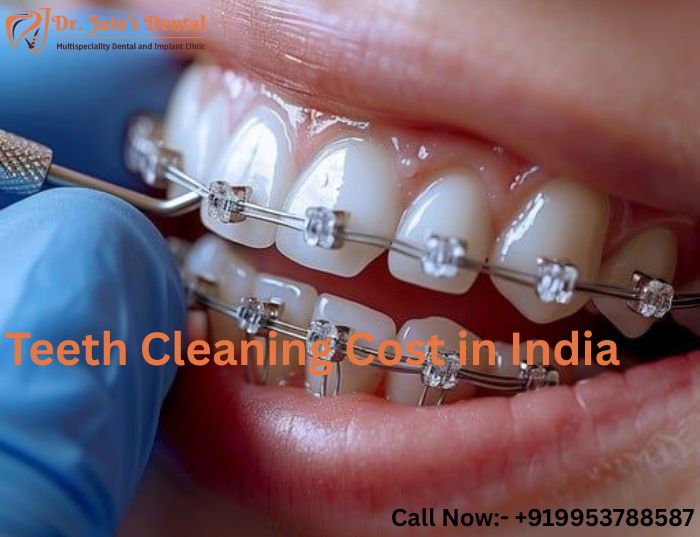
Professional teeth cleaning costs in India typically range from ₹800 to ₹3,000, depending on the type of procedure and your location. Regular scaling and polishing are essential preventive treatments that remove plaque and tartar build up, helping you maintain healthy gums and teeth while avoiding expensive dental problems in the future.
Understanding Professional Teeth Cleaning
Daily brushing and flossing keep your teeth clean, but they cannot remove hardened tartar that builds up over time. This is where professional teeth cleaning becomes necessary. Your dentist uses specialized tools to clean areas that your toothbrush cannot reach, especially below the gum line and between teeth.
Many people search for teeth cleaning near me or wonder about the teeth cleaning price before visiting a dentist. This guide will help you understand everything about professional dental cleaning and what it costs across India.
Why Professional Teeth Cleaning Matters
Brushing twice daily is important, but it only removes soft plaque from visible tooth surfaces. When plaque is not removed properly, it hardens into calculus or tartar within 24 to 72 hours. Once tartar forms, you cannot remove it with regular brushing. Tartar creates a rough surface where bacteria gather and multiply. These bacteria cause several problems like bad breath, swollen and bleeding gums, and eventually gum disease. If left untreated, gum disease can lead to loose teeth and even tooth loss. Professional cleaning also helps prevent other health issues. Research shows that gum infections may be linked to heart disease, diabetes complications, and other serious conditions. This makes regular dental cleaning an investment in your overall health, not just your smile.
What Happens During Teeth Cleaning
Professional teeth cleaning involve several steps. First, your dentist examines your mouth to check for any problems. Then they use an ultrasonic scaler or hand instruments to remove tartar from your teeth and below the gum line. After scaling, they polish your teeth to remove surface stains and make them smooth. Some dentists also apply fluoride treatment to strengthen your enamel and protect against cavities. The entire process usually takes 30 to 45 minutes. Most patients find it comfortable and painless. If you have sensitive teeth or extensive tartar build up, your dentist may use local anaesthesia to ensure your comfort.
Types of Teeth Cleaning Procedures
There are different types of cleaning procedures based on your oral health condition.
- Basic Scaling and Polishing is the most common preventive procedure. It removes plaque and tartar from above the gumline and polishes your teeth to remove stains. This is recommended every six months for most people.
- Deep Cleaning is needed when you have gum disease or significant tartar buildup below the gumline. This procedure, also called scaling and root planing, cleans deeper areas and smooths the tooth roots to help gums heal.
- Periodontal Maintenance is an ongoing treatment for patients who have had gum disease. It requires more frequent visits, usually every three to four months, to keep the condition under control.
Teeth Cleaning Cost Breakdown Across India
The scaling of teeth price varies depending on several factors. In metro cities like Delhi, Mumbai, Bangalore, and Chennai, you can expect to pay between ₹1,000 and ₹2,500 for basic cleaning. Smaller cities and towns generally have lower costs, ranging from ₹800 to ₹1,500. Deep cleaning procedures cost more because they require more time and expertise. These typically range from ₹2,000 to ₹4,000 per session, and you may need multiple sessions depending on the severity of gum disease. If you need additional treatments like fluoride application, the cost may increase by ₹300 to ₹800. Some clinics offer package deals that include consultation, cleaning, and polishing at discounted rates.
At Dr Jains Dental in Noida, transparent pricing ensures patients understand their treatment costs upfront. The clinic offers quality dental care with experienced professionals using modern equipment.
Factors That Affect Teeth Cleaning Price
Several factors influence how much you pay for teeth cleaning.
- Location plays a big role. Dental clinics in major cities charge more due to higher operating costs compared to smaller towns.
- Dentist's Experience matters too. Specialists like periodontists may charge more than general dentists, but they bring additional expertise for complex cases.
- Clinic Type affects pricing as well. Established dental chains often have standardized pricing, while individual practices may vary their rates based on various factors.
- Your Oral Health Condition is important. If you have heavy tartar buildup or gum disease, you will need more extensive cleaning, which costs more than routine maintenance.
- Technology Used can impact cost. Clinics with advanced equipment like ultrasonic scalers and laser dentistry may charge slightly higher fees, but these tools often make treatment faster and more comfortable.
Regular Cleaning vs. Expensive Treatments
Investing in regular teeth cleaning saves you money in the long run. When you skip professional cleaning, small problems grow into bigger ones. Untreated gum disease can lead to tooth loss, requiring expensive treatments like dental implants or bridges.
A dental implant costs anywhere from ₹20,000 to ₹50,000 per tooth. Compare this to spending ₹1,000 to ₹2,000 twice a year for preventive cleaning. The choice is clear - prevention is much more affordable than treatment. Regular cleaning also helps detect problems early. Your dentist can spot cavities, gum disease, or other issues during routine check-ups and address them before they become serious.
How Often Should You Get Teeth Cleaning
Most people need professional cleaning every six months. This schedule works well for those with good oral hygiene and no major dental problems. However, some people need more frequent visits. If you have gum disease, diabetes, smoke, or have a history of heavy tartar buildup, your dentist may recommend cleaning every three to four months. Children and teenagers also benefit from regular cleanings, especially if they wear braces or have a high risk of cavities. Your dentist will create a personalized schedule based on your specific needs.
People Also Like - Teeth Cap Price in India: Types of Dental Crowns, Prices & What to Expect
What to Expect During Your Visit
Your first visit includes a complete oral examination. The dentist checks for cavities, gum disease, and other problems. They may take X-rays if needed to see what is happening below the surface. During the cleaning, you will hear scraping sounds as the dentist removes tartar. This is normal and painless for most people. The polishing step uses a gritty paste that feels slightly rough but leaves your teeth feeling smooth and clean.
After cleaning, your dentist will give you tips on improving your home care routine. They may recommend specific brushing techniques, floss types, or other products suited to your needs.
Choosing the Right Dental Clinic
When looking for a good dental clinic, consider several factors. Check if the dentists are properly qualified and experienced. Look for clinics that maintain high standards of hygiene and sterilization. Read patient reviews and testimonials to understand others' experiences. A good clinic will explain your treatment clearly, show you treatment options, and respect your decisions.
Dr Jains Dental in Sector 75, Noida, offers comprehensive dental care with over 22 years of combined experience. The clinic provides all dental treatments in a modern setting with a focus on patient comfort and quality care.
Tips to Reduce Teeth Cleaning Costs
You can reduce your dental expenses in several ways. First, maintain good oral hygiene at home. Brush twice daily with fluoride toothpaste and floss at least once a day. This reduces tartar buildup and may decrease the complexity of your cleaning sessions. Visit your dentist regularly for preventive care. Catching problems early costs less than treating advanced conditions. Look for dental membership plans or packages offered by clinics. These often provide discounts on routine procedures like cleaning and checkups.
Some dental colleges and teaching hospitals offer treatments at lower costs, performed by students under expert supervision. This can be a good option if you are on a tight budget.
Maintaining Results After Teeth Cleaning
After professional cleaning, your teeth and gums need proper care to stay healthy. Brush gently twice a day using a soft-bristled toothbrush. Replace your toothbrush every three months. Floss daily to remove food particles and plaque from between teeth where your brush cannot reach. Consider using an antiseptic mouthwash to reduce bacteria. Limit sugary and acidic foods that promote plaque formation. Drink plenty of water, especially after meals, to wash away food particles. Avoid tobacco in all forms. Smoking and chewing tobacco increase your risk of gum disease and stain your teeth.
The Connection Between Oral Health and Overall Health
Your mouth is connected to your entire body. Bacteria from gum infections can enter your bloodstream and affect other organs. Studies link poor oral health to heart disease, stroke, diabetes complications, and respiratory problems. Pregnant women with gum disease face higher risks of premature birth and low birth weight babies. Taking care of your teeth and gums protects not just your smile but your general health too.
Regular teeth cleaning are a simple step that contributes to your overall wellness. It removes harmful bacteria before they can cause damage to your teeth, gums, or other parts of your body.
Frequently Asked Questions About Teeth Cleaning
1. How much does teeth cleaning cost in India?
Teeth cleaning cost in India typically ranges from ₹800 to ₹3,000 depending on your location and the type of cleaning needed. Basic scaling and polishing costs between ₹800 to ₹2,500 in most cities, while deep cleaning procedures may cost ₹2,000 to ₹4,000. Metro cities generally have higher prices compared to smaller towns.
2. Is teeth cleaning painful?
No, professional teeth cleaning is generally not painful. Most patients experience only mild discomfort during the procedure. You may hear scraping sounds as the dentist removes tartar, but this should not hurt. If you have sensitive teeth or extensive buildup below the gumline, your dentist can apply local anesthesia to keep you comfortable throughout the process.
3. How often should I get my teeth professionally cleaned?
Most people should get their teeth cleaned every six months. However, if you have gum disease, diabetes, smoke, or tend to develop tartar quickly, your dentist may recommend more frequent cleanings every three to four months. Your dentist will assess your oral health and suggest the best schedule for your specific needs.
4. Does teeth cleaning make teeth whiter?
Teeth cleaning removes surface stains caused by food, drinks, and tobacco, which makes your teeth appear brighter and cleaner. However, it does not change the natural color of your tooth enamel. If you want to make your teeth several shades whiter, you will need a separate teeth whitening or bleaching treatment.
5. Will my teeth become loose after cleaning?
No, this is a common myth. Professional cleaning does not loosen your teeth. In fact, it removes the tartar and bacteria that cause gum disease, which is the actual reason teeth become loose. After removing heavy tartar deposits, your teeth may feel different because the hardened buildup that was holding them together is gone, but this is a positive change that allows your gums to heal.
6. Does dental insurance cover teeth cleaning costs?
Many dental insurance plans in India cover preventive care, including routine teeth cleaning, either fully or partially. Coverage varies by policy, so it is best to check with your insurance provider about your specific benefits. Some clinics also offer membership plans or package deals that make regular cleanings more affordable without insurance.